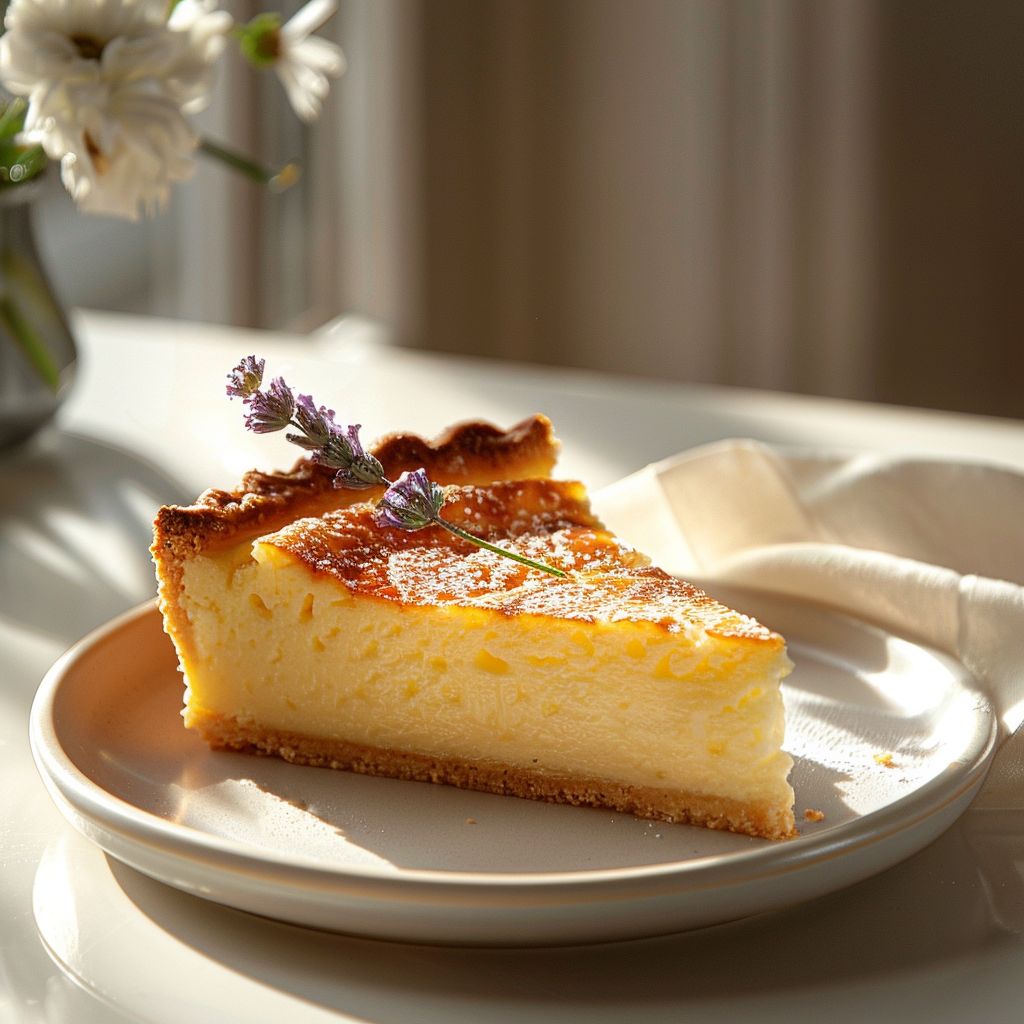
The Science Behind Baking the Perfect Homemade Cake
Baking is not just a culinary activity; it’s a fascinating experiment where chemistry and creativity collide. In this comprehensive guide, we will explore the intricate science behind making the perfect homemade cake, ensuring you understand the *why* behind each step. With precise measurements and well-understood techniques, you will unlock the secrets of baking a cake that is light, fluffy, and utterly delicious.
Whether you are preparing for a special occasion or just indulging in a sweet treat, mastering the art of cake making is a rewarding experience. This guide will provide you with the information to create a cake that not only tastes amazing but also showcases your baking prowess.
Why You’ll Love This Recipe
- Perfect for any occasion: Whether it’s a birthday, wedding, or just a casual get-together, this cake is versatile enough for any celebration.
- Light and fluffy texture: The combination of ingredients and proper mixing techniques ensures that your cake has an airy structure, making every bite enjoyable.
- Customizable flavors: This base recipe allows you to experiment with various flavors and add-ins, tailoring it to your preference.
- Foolproof instructions: With detailed steps and troubleshooting tips, even novice bakers can achieve a professional-looking cake.
- Science-backed results: Understanding the chemistry of baking will not only help you with this recipe but also empower you to experiment further.
Ingredient Breakdown
To create the ultimate cake, we need to understand our ingredients:
- Flour: 2 cups of all-purpose flour provides the structure. You can substitute with cake flour for a lighter texture or gluten-free flour for a gluten-free version.
- Sugar: 1 cup of granulated sugar adds sweetness and helps with browning. Brown sugar can be used for a richer flavor.
- Butter: 1/2 cup of unsalted butter, creamed with sugar, contributes to a moist cake and a rich flavor. Vegetable oil can be used for a more moist cake.
- Milk: 1 cup of whole milk hydrates the batter and activates the baking powder. Almond milk or buttermilk can be excellent substitutes.
- Eggs: 2 large eggs provide moisture and stability. For a vegan option, use flaxseed meal mixed with water.
- Baking powder: 1 tablespoon acts as a leavening agent, helping the cake rise. Ensure it’s fresh for optimal results.
- Vanilla extract: 1 teaspoon enhances the flavor profile. Feel free to experiment with other extracts like almond or lemon.
- Salt: 1/2 teaspoon balances the sweetness and enhances flavor.
Pro Tips for Cake Perfection
- Room temperature ingredients: Ensure butter, eggs, and milk are at room temperature to achieve the best emulsification and texture.
- Do not overmix: Mix until just combined to prevent a dense cake. Overmixing activates gluten, leading to a tough texture.
- Preheat your oven: Always preheat to ensure even baking. An oven thermometer can help maintain the correct temperature.
- Use parchment paper: Lining your baking pan with parchment prevents sticking and ensures a clean release.
- Check for doneness: Use a toothpick inserted in the center; if it comes out clean, your cake is ready!
- Cool properly: Let the cake cool in the pan for 10-15 minutes before transferring to a wire rack to cool completely.
- Experiment with flavors: Feel free to add zest, spices, or even chocolate chips to give your cake a unique twist.
- Frosting options: Consider pairing your cake with cream cheese frosting, buttercream, or a simple glaze for added flavor.
Common Mistakes and Troubleshooting
Even experienced bakers face challenges. Here are some common mistakes and how to overcome them:
- Dense texture: Often caused by overmixing or too much flour. Ensure you measure accurately and mix gently.
- Sunken cake: This can happen from opening the oven too early or using too much leavening agent. Avoid peeking until it’s time.
- Dry cake: Results from overbaking or not enough fat. Adjust baking time and ensure accurate measurements.
- Uneven baking: Rotate the cake halfway through baking for consistent results.
Variations to Explore
Once you’ve mastered the basic recipe, consider trying these variations:
- Chocolate cake: Add 1/2 cup of cocoa powder to the flour mixture for a rich, chocolatey flavor.
- Fruit-infused cake: Fold in fresh berries or citrus zest for a refreshing twist.
- Nuts and spices: Incorporate walnuts, almonds, or spices like cinnamon for added texture and flavor.
- Layered cake: Bake in multiple pans and layer with your favorite frosting for an impressive presentation.
Storage and Make-Ahead Instructions
To maintain optimal freshness:
- Room temperature: Store your cake in an airtight container at room temperature for up to 3 days.
- Refrigeration: For longer storage, refrigerate for up to a week, ensuring it’s well wrapped to prevent drying.
- Freezing: Freeze slices or whole cakes wrapped tightly in plastic wrap and foil for up to 3 months. Thaw in the fridge overnight before serving.
Frequently Asked Questions
- Can I use whole wheat flour? Yes, but expect a denser texture. Combine with all-purpose flour for a lighter result.
- What can I use instead of eggs? Flaxseed meal or applesauce are excellent substitutes for binding and moisture.
- How can I make my cake more moist? Incorporate ingredients like yogurt or sour cream for added moisture.
- Can I double the recipe? Absolutely! Just ensure your mixing bowl is large enough and adjust baking time as necessary.
- What frosting goes well with this cake? Cream cheese or buttercream frosting pairs beautifully, but feel free to experiment!
- How can I prevent my cake from sticking to the pan? Grease and flour the pan well or use parchment paper for easy removal.
- What if my cake rises too much? It may be due to too much baking powder. Reduce the amount next time.
- Is it possible to make this cake gluten-free? Yes, use a gluten-free flour blend, but check the specific blend’s proportions.
Nutrition Tips and Dietary Adaptations
To adapt this cake for various dietary needs:
- Lower sugar options: Substitute with natural sweeteners like honey or maple syrup, adjusting liquid ingredients accordingly.
- Vegan adaptations: Replace eggs with flaxseed meal and milk with plant-based alternatives.
- Gluten-free variations: Use certified gluten-free flour blends for those with gluten sensitivities.
- Add nutritional value: Enhance with ingredients like chia seeds or nuts for added fiber and protein.
Equipment Recommendations
For optimal baking results, consider the following equipment:
- Digital kitchen scale: For precise measurements, particularly for flour and sugar.
- Mixing bowls: A set of various sizes will allow for efficient ingredient mixing.
- Whisk and spatula: Essential for mixing and folding ingredients without overmixing.
- Oven thermometer: Ensures your oven is at the right temperature for consistent baking.
- Baking pans: Invest in high-quality, non-stick pans for easy release.
Serving Suggestions
Enhance your cake experience with these serving suggestions:
- Fresh fruits: Serve with a side of seasonal fruits for a refreshing contrast.
- Ice cream: A scoop of vanilla or chocolate ice cream complements the cake beautifully.
- Whipped cream: Lightly sweetened whipped cream adds an airy texture.
- Cake toppings: Consider drizzling with chocolate ganache or a simple glaze for added flair.
Conclusion
With the knowledge and techniques provided in this guide, you are now equipped to embark on your cake baking journey with confidence. Remember, baking is an experiment—feel free to adjust and play with flavors, textures, and techniques. Every cake you bake is an opportunity to learn and grow as a home cook. So preheat that oven, gather your ingredients, and let’s create something delicious!

1mg696s8kk
Ingredients
Method
- Preheat oven to 350°F (175°C).
- Cream butter and sugar until fluffy.
- Add eggs one at a time, then vanilla.
- Mix dry ingredients; combine with wet alternately with milk.
- Pour batter into a greased dish and bake 30-35 mins.
Notes
Loved this recipe? Save it to your favorite Pinterest board so you can easily find it later! ✨