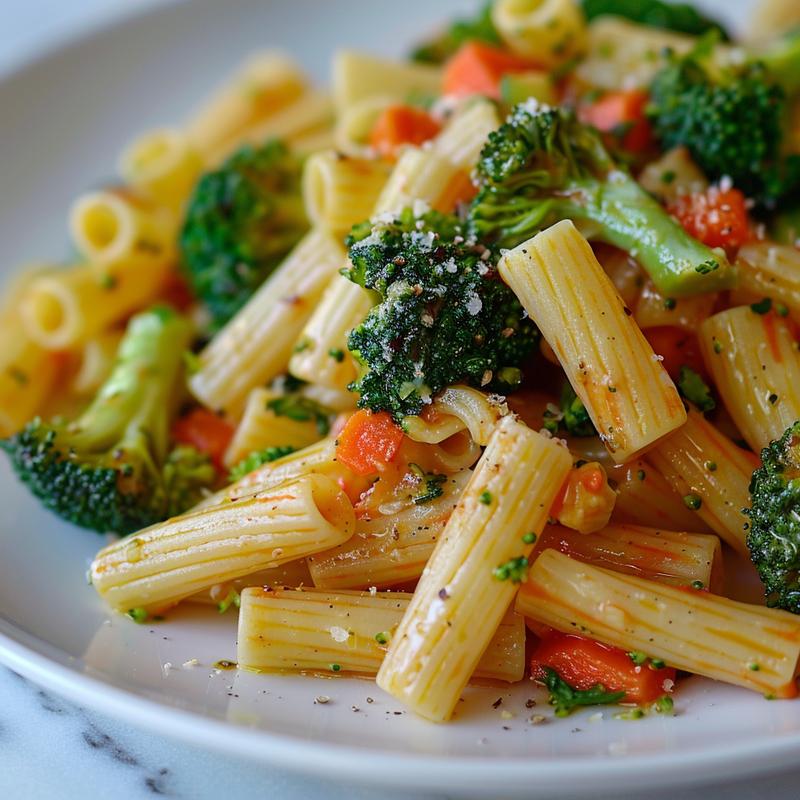
Hello, fellow culinary scientists! Anya here, ready to embark on another delicious experiment. Today, we’re diving into the vibrant world of Pasta Primavera – a dish that’s not just a meal, but a celebration of fresh, seasonal vegetables. Think of it as edible sunshine, perfect for any time of year.
The beauty of Pasta Primavera lies in its simplicity and adaptability. It’s a blank canvas for your culinary creativity, allowing you to showcase the best produce your garden or local farmer’s market has to offer. But beyond its aesthetic appeal, there’s a fascinating interplay of flavors and textures happening in this dish. We’ll explore the science behind achieving that perfect balance, ensuring every bite is a symphony of deliciousness. Are you ready to unlock the secrets of Pasta Primavera?
Why You’ll Love This Pasta Primavera Recipe
This isn’t just another pasta recipe; it’s a culinary adventure! Here’s why you’ll find yourself making this dish again and again:
- Seasonal Versatility: The recipe is adaptable to whatever vegetables are in season. Use asparagus and peas in spring, zucchini and tomatoes in summer, or root vegetables like carrots and parsnips in the fall.
- Quick and Easy: From prep to plate, this dish comes together in under 30 minutes, making it perfect for a weeknight meal.
- Healthy and Nutritious: Packed with vitamins, minerals, and fiber from the abundance of vegetables, it’s a guilt-free indulgence.
- Customizable: Easily adaptable to different dietary needs and preferences. Make it gluten-free, vegan, or add your favorite protein.
- Delicious Hot or Cold: Enjoy it as a warm, comforting meal or a refreshing cold pasta salad.
Ingredients for the Perfect Pasta Primavera
Let’s gather our ingredients. Remember, the quality of your ingredients directly impacts the final flavor of the dish. Fresh is best!
- 1 pound pasta (e.g., penne, farfalle, fusilli): The shape matters! Choose a pasta with ridges or curves to better capture the sauce.
- 2 tablespoons olive oil: Extra virgin olive oil adds a fruity richness to the dish.
- 1 clove garlic, minced: Garlic is a flavor powerhouse. Mince it finely to release its aromatic compounds.
- 1 cup broccoli florets: Broccoli provides a delightful crunch and earthy flavor.
- 1 cup sliced carrots: Carrots add sweetness and vibrant color.
- 1 cup sliced bell peppers (any color): Bell peppers contribute a slightly sweet and tangy flavor.
- 1/2 cup cherry tomatoes, halved: Cherry tomatoes burst with juicy sweetness.
- 1/2 cup peas (fresh or frozen): Peas add a touch of sweetness and a pop of green.
- 1/4 cup grated Parmesan cheese: Parmesan cheese provides a salty, umami-rich flavor.
- Salt and pepper to taste: Seasoning is key to bringing out the flavors of the vegetables.
- Optional: Red pepper flakes, fresh herbs (basil, parsley): Add a touch of heat and herbaceousness to elevate the dish.
Step-by-Step Guide to Making Pasta Primavera
Now, let’s get cooking! Follow these steps for a foolproof Pasta Primavera.
- Cook the pasta: Cook pasta according to package directions. This is where *pasta water* becomes crucial. Reserve about 1/2 cup of the starchy *pasta water* before draining. The starch in the water will help emulsify the sauce and create a creamy texture.
- Sauté the aromatics: While *the pasta* is cooking, heat *olive oil* in a large skillet over medium heat. Add garlic and cook until fragrant (about 30 seconds). Be careful not to burn the garlic, as it will turn bitter.
- Cook the vegetables: Add broccoli, carrots, and bell peppers to *the* skillet. Cook for 5-7 minutes, or until slightly tender. The goal is to cook *the vegetables* until they are slightly softened but still have a bit of crunch.
- Add the remaining vegetables: Add cherry tomatoes and peas. Cook for another 2-3 minutes. These vegetables require less cooking time to retain their freshness and flavor.
- Combine pasta and vegetables: Drain *the pasta* and *add the* cooked pasta to the skillet with *the vegetables*.
- Create the sauce: *Add* Parmesan cheese and a splash of *reserved pasta water* (if needed) to create a light sauce. The *reserved pasta water* is the secret ingredient! It helps bind the sauce to the pasta and creates a creamy emulsion.
- Season and serve: Season with salt, pepper, and red pepper flakes (if using). Garnish with fresh herbs and serve immediately.
Pro Tips for Pasta Primavera Perfection
Want to take your Pasta Primavera to the next level? Here are some pro tips to consider:
- Blanching Vegetables: For vibrant color and even cooking, blanch heartier vegetables like broccoli and carrots before adding them to the skillet. Blanching involves briefly boiling the vegetables and then shocking them in ice water to stop the cooking process.
- Don’t Overcook the Pasta: Aim for al dente – slightly firm to the bite. Overcooked pasta will become mushy and lose its texture.
- Use High-Quality Olive Oil: The flavor of *olive oil* shines through in this dish, so use the best quality you can afford.
- Taste and Adjust Seasoning: Always taste the dish before serving and adjust the seasoning as needed. Salt is your friend!
- Fresh Herbs are Key: Fresh herbs add a burst of flavor and aroma. Don’t skimp on the basil, parsley, or any other herbs you enjoy.
Common Mistakes to Avoid
Even the simplest recipes can have pitfalls. Here are some common mistakes to avoid when making Pasta Primavera:
- Overcooking the Vegetables: Soggy vegetables are a no-no. Aim for tender-crisp.
- Forgetting to Reserve Pasta Water: This is a crucial ingredient for creating a creamy sauce. Don’t skip it!
- Using Too Much Oil: The dish should be light and fresh, not greasy. Use just enough oil to coat the vegetables.
- Adding Too Much Garlic: Garlic can be overpowering. Start with a small amount and add more to taste.
- Not Seasoning Properly: Seasoning is essential for bringing out the flavors of the vegetables. Don’t be afraid to use salt and pepper liberally.
Pasta Primavera Variations: Customize Your Dish
The beauty of Pasta Primavera is its versatility. Here are some variations to try:
- Protein Power: Add grilled chicken, shrimp, or tofu for a protein boost.
- Creamy Dreamy: Stir in a dollop of ricotta cheese or mascarpone for extra richness.
- Spicy Kick: Add a pinch of red pepper flakes or a drizzle of chili oil for a spicy kick.
- Gluten-Free Goodness: Use gluten-free pasta for a gluten-free version. There are many great *gluten free* pasta options available today.
- Vegan Delight: Omit the Parmesan cheese or use a vegan Parmesan alternative for a vegan version.
Storing Pasta Primavera for Later
Got leftovers? Here’s how to store them properly:
- Refrigeration: Store *Pasta Primavera* in an airtight container *in the refrigerator* *for up to* 3-4 days.
- Reheating: Reheat in the microwave or in a skillet over medium heat. *Add a* splash *of olive oil* or *reserved pasta water* *when you’re* reheating to prevent the pasta from drying out.
- Cold Pasta Salad: *Pasta Primavera* is *perfect for* eating cold as a *cold pasta salad*. It’s a great option for picnics and potlucks.
Frequently Asked Questions (FAQ)
Let’s address some common questions about Pasta Primavera:
- Can I use frozen vegetables? Yes, *you can* use *frozen* *vegetables*, but fresh vegetables will provide the best flavor and texture.
- Can I make this dish ahead of time? Yes, *you can* make the pasta and vegetables separately ahead of time and combine them just before serving.
- What other vegetables can I use? The possibilities are endless! Some other great options include asparagus, zucchini, spinach, and mushrooms.
- How do I prevent the pasta from sticking together? Toss the cooked pasta with a little *olive oil* before adding it to *the vegetables*.
Serving Suggestions: Complete the Meal
Pasta Primavera is a versatile dish that can be served as a main course or a side dish. Here are some serving suggestions:
- Main Course: Serve with a side salad and crusty bread for a complete meal.
- Side Dish: Pair with grilled chicken, fish, or tofu for a balanced meal.
- Potluck Favorite: Bring it to your next potluck or picnic. *You’re* sure to be a hit!
*When you’re ready to enjoy*, Pasta Primavera, remember it’s more than just a meal; it’s an experience. It’s about celebrating fresh, seasonal ingredients and creating a dish that’s both delicious and nutritious. So, gather your ingredients, put on your apron, and let’s get cooking! Happy experimenting, my friends! 🔬⚗️
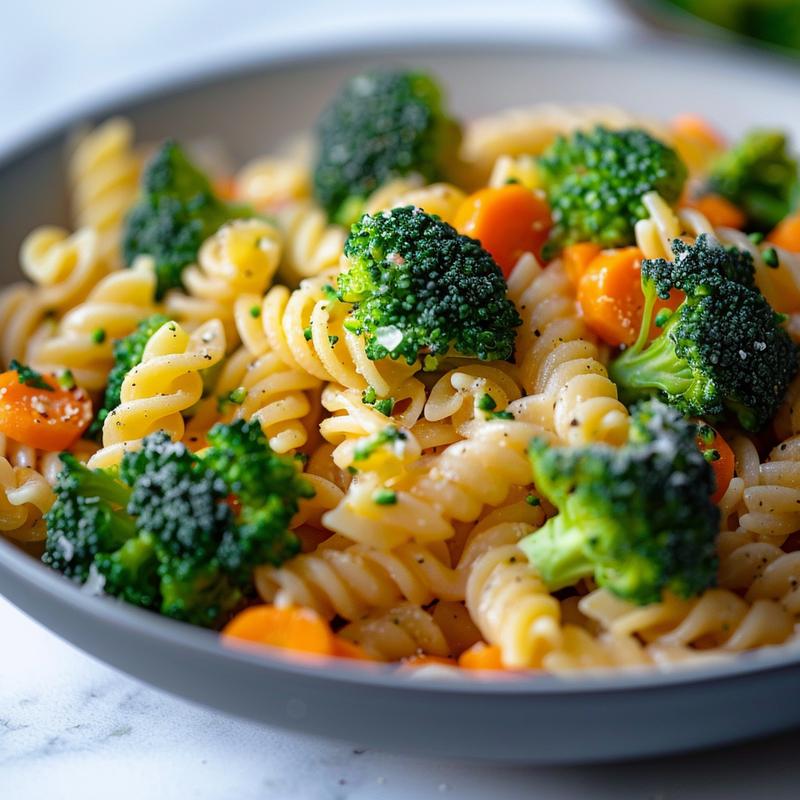

Pasta Primavera: Fresh Veggie Bliss for Every Season 🥦🍅
Ingredients
Method
- Cook pasta according to package directions. Reserve 1/2 cup of pasta water before draining.
- Heat olive oil in a large skillet over medium heat. Add garlic and cook until fragrant (about 30 seconds).
- Add broccoli, carrots, and bell peppers to the skillet. Cook for 5-7 minutes, or until slightly tender.
- Add cherry tomatoes and peas. Cook for another 2-3 minutes.
- Drain pasta and add it to the skillet with the vegetables.
- Add Parmesan cheese and a splash of reserved pasta water (if needed) to create a light sauce.
- Season with salt, pepper, and red pepper flakes (if using).
- Garnish with fresh herbs and serve immediately.
Notes
Loved this recipe? Save it to your favorite Pinterest board so you can easily find it later! ✨