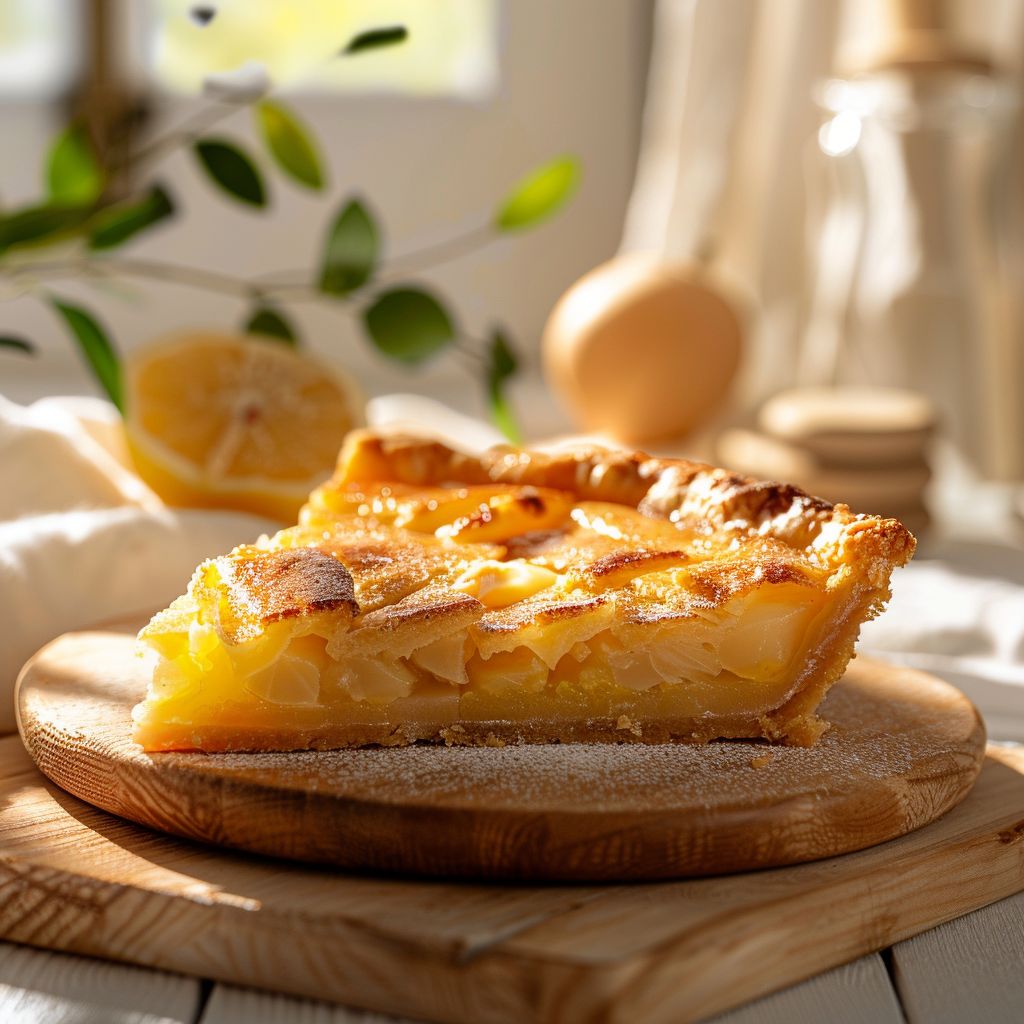
Unlock the Secrets of Perfect Cake Baking
Welcome to the fascinating world of cake baking, where chemistry meets creativity! In this definitive guide, we’re going to explore not just a classic cake recipe, but the science behind it. Whether you’re a novice baker or a seasoned pro, understanding the principles of baking can elevate your cakes from good to extraordinary. In this article, you will find a wealth of information, detailed instructions, and expert tips to help you create a cake that is not only delicious but also visually stunning. Ready to turn your kitchen into a laboratory? Let’s dive in!
Why You’ll Love This Recipe
This classic cake recipe is a delightful combination of simplicity and sophistication. Here are just a few reasons why you’ll want to keep this recipe in your culinary arsenal:
- Light and Fluffy Texture: Achieve a cake that is airy and moist, thanks to the proper creaming method and ingredient ratios.
- Versatile Base: This cake serves as a perfect foundation for countless variations, from chocolate to fruit-flavored cakes.
- Easy to Customize: Modify ingredients or add flavors to suit your palate or dietary needs.
- Science-Backed Techniques: Learn the *why* behind each step, enhancing your baking skills.
- Impressive Presentation: With a little decoration, this cake can become the centerpiece of any gathering.
Ingredient Breakdown
Understanding your ingredients is crucial when baking a cake from scratch. Here’s a detailed breakdown of the essential ingredients and their roles in this recipe:
- Flour (2 cups): All-purpose flour is ideal for a balanced texture. For a lighter cake, consider using cake flour.
- Sugar (1 cup): Granulated sugar not only sweetens but also helps with the cake’s structure.
- Butter (1/2 cup): Provides richness and moisture. For a dairy-free option, use vegan butter or coconut oil.
- Milk (1 cup): Adds moisture to the batter. You can substitute with almond milk or oat milk.
- Eggs (2 large): Essential for binding and adding moisture. For an egg-free option, use flax eggs or applesauce.
- Baking Powder (1 tablespoon): A leavening agent that helps the cake rise.
- Vanilla Extract (1 teaspoon): Enhances flavor; for a twist, use almond extract instead.
- Salt (1/2 teaspoon): Balances sweetness and enhances flavor.
Step-by-Step Instructions
Now, let’s get to the heart of the matter—the baking process. Follow these detailed steps to create your perfect cake:
- Preheat the oven: Set your oven to 350°F (175°C) to prepare for baking.
- Cream butter and sugar: In a mixing bowl, beat together the butter and sugar until light and fluffy. This process incorporates air, making your cake rise beautifully.
- Add eggs and vanilla: Mix in the eggs one at a time, ensuring each is fully incorporated before adding the next. Stir in the vanilla extract.
- Combine dry ingredients: In a separate bowl, whisk together flour, baking powder, and salt to ensure even distribution.
- Mix wet and dry: Gradually add the dry mixture to the wet ingredients, alternating with the milk. Mix until just combined; over-mixing can lead to a dense cake.
- Prepare the baking dish: Grease your cake pan with butter or cooking spray to prevent sticking.
- Pour and bake: Pour the batter into the prepared pan and bake for 30-35 minutes. A toothpick inserted into the center should come out clean when done.
- Cool before serving: Allow the cake to cool in the pan for about 10 minutes before transferring to a wire rack.
Pro Tips for Success
To ensure your cake turns out perfectly every time, keep these expert baking tips in mind:
- Room Temperature Ingredients: Use eggs and butter at room temperature for better incorporation and a smoother batter.
- Don’t Overmix: Mix the batter just until the dry ingredients are incorporated to prevent a tough cake.
- Check Oven Temperature: Use an oven thermometer to ensure your oven is at the correct temperature, as inaccurate readings can affect baking times.
- Rotate Your Cake: Halfway through baking, rotate the cake pan for even cooking.
- Don’t Open the Oven Door: Avoid opening the oven door during baking, as this can cause the cake to sink.
- Test for Doneness: Use a toothpick to check for doneness; the cake is ready when it comes out clean.
- Cool Gradually: Let the cake cool in the pan to prevent it from collapsing due to a drastic temperature change.
- Flavor Infusions: Consider adding citrus zest or spices for an exciting flavor boost.
Common Mistakes and Troubleshooting
Even seasoned bakers can encounter challenges. Here’s how to troubleshoot common issues:
- Dense Cake: This usually happens from overmixing or too much flour. Make sure to measure accurately and mix just until combined.
- Cake Sinks in the Middle: This could be due to underbaking or too much leavening agent. Always check your oven temperature and test for doneness.
- Uneven Baking: If your cake is uneven, it might be due to inadequate mixing or the oven temperature being too high. Rotate your pan halfway through baking.
- Dry Cake: This can result from overbaking or not enough moisture. Keep an eye on your cake as it bakes, and consider adding a simple syrup to keep it moist.
Delicious Variations
Once you master this classic cake recipe, the possibilities are endless! Here are some delightful variations to try:
- Chocolate Cake: Substitute 1/2 cup of flour with unsweetened cocoa powder for a rich chocolate flavor.
- Vanilla Bean Cake: Use the seeds from a vanilla bean instead of extract for a more intense vanilla flavor.
- Citrus Cake: Add lemon or orange zest to the batter for a refreshing citrus twist.
- Spice Cake: Incorporate ground cinnamon, nutmeg, and ginger for a warm, spiced flavor profile.
Storage and Make-Ahead Instructions
To maintain your cake’s freshness, follow these storage tips:
- Room Temperature: Keep the cake covered at room temperature for up to 3 days.
- Refrigeration: For longer storage, refrigerate the cake for up to a week, ensuring it’s well covered to prevent drying out.
- Freezing: Freeze the cake in an airtight container for up to 3 months. Thaw in the refrigerator before serving.
FAQs About Baking Cakes
Here are some frequently asked questions that can help enhance your baking knowledge:
- Can I use whole wheat flour? Yes, but it may result in a denser cake. Consider a 50/50 mix with all-purpose flour.
- What can I use instead of eggs? Flaxseed meal mixed with water or applesauce can be great substitutes.
- Why is my cake crumbly? Too much flour or not enough moisture can lead to a crumbly texture. Make sure to measure accurately.
- How do I make my cake more flavorful? Experiment with extracts, spices, or flavored oils to enhance your cake’s flavor profile.
- Can I bake this recipe in a different pan? Yes, just adjust the baking time accordingly depending on the size and shape of your pan.
- What is the best way to frost my cake? Allow the cake to cool completely before frosting. Use a serrated knife to level the top for a smooth finish.
- How do I know when my cake is done? A toothpick inserted in the center should come out clean or with a few moist crumbs.
- Can I use non-dairy milk? Absolutely! Almond, soy, or oat milk work well as substitutes.
Nutritional Tips and Dietary Adaptations
For those looking to adapt this classic cake recipe to fit specific dietary needs, here are some tips:
- Gluten-Free Option: Substitute all-purpose flour with a gluten-free blend designed for baking.
- Lower Sugar: Reduce the sugar by up to 1/4 cup or use a sugar substitute that measures cup-for-cup.
- Vegan Variation: Use plant-based butter, non-dairy milk, and substitute eggs with flaxseed or applesauce.
- Lower Fat: Replace half of the butter with unsweetened applesauce for a lower-fat version.
Essential Equipment Recommendations
To make the most of your cake-baking endeavors, consider these essential tools:
- Stand Mixer or Hand Mixer: A reliable mixer is crucial for properly creaming butter and sugar.
- Measuring Cups and Spoons: Accurate measurements are key to successful baking.
- Mixing Bowls: A set of various sizes allows for efficient ingredient mixing.
- Baking Pans: Use high-quality, non-stick pans for even baking and easy release.
- Cooling Rack: Essential for cooling cakes without trapping steam, preventing sogginess.
Serving Suggestions
Now that you’ve baked your perfect cake, it’s time to serve! Here are some delightful ideas:
- Frosting: Top with buttercream, cream cheese frosting, or a simple glaze for added flavor.
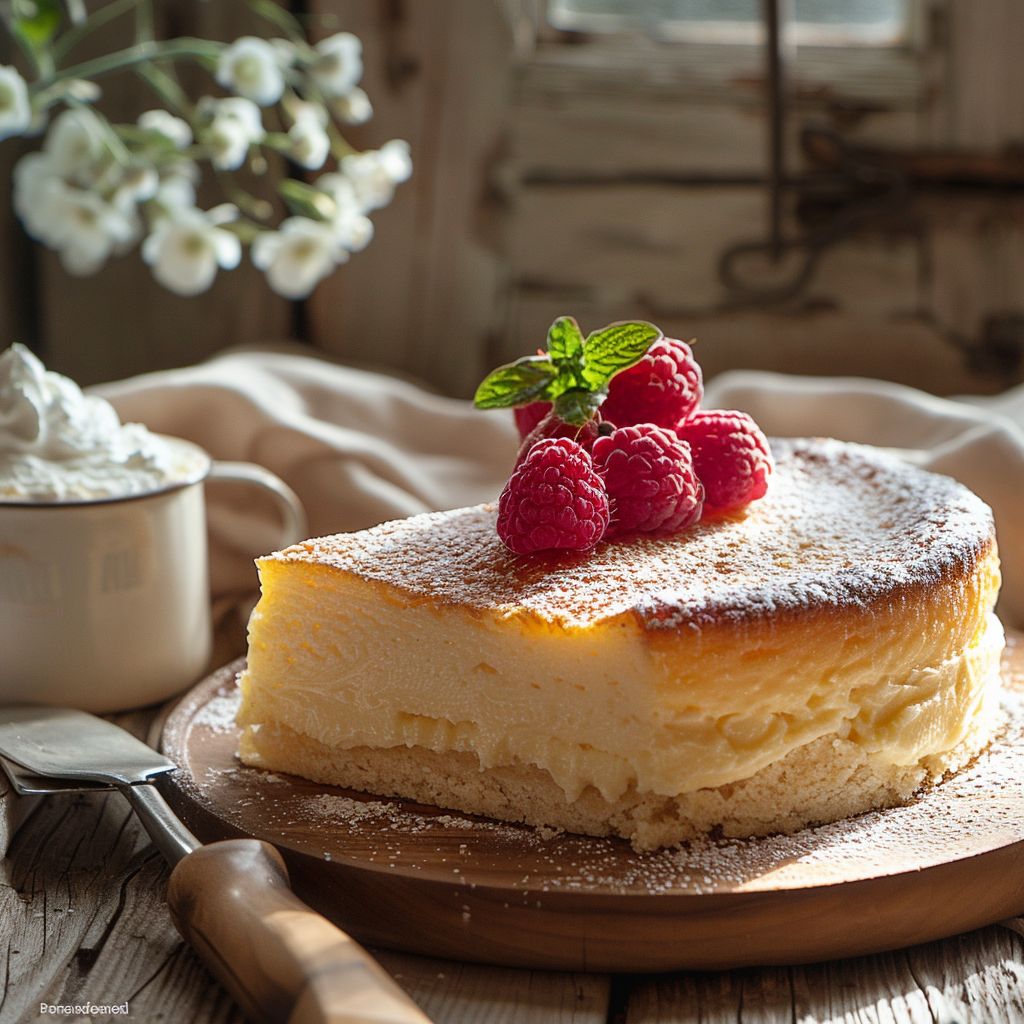
- Fruit Toppings: Fresh berries or sliced fruits can elevate the presentation and add a refreshing taste.
- Whipped Cream: Serve with a dollop of whipped cream for a classic touch.
- Chocolate Ganache: Drizzle over the top for a rich, decadent finish.
Final Thoughts
In conclusion, baking a classic cake from scratch is not just about following a recipe; it’s about understanding the science behind each ingredient and technique. With this comprehensive guide, you’re now equipped to create a cake that is not only delicious but also a reflection of your newfound baking knowledge. So, gather your ingredients, preheat your oven, and let the baking adventure begin! Happy baking!

1mg696s8kk
Ingredients
Method
- Preheat oven to 350°F (175°C).
- Cream butter and sugar until fluffy.
- Add eggs one at a time, then vanilla.
- Mix dry ingredients; combine with wet alternately with milk.
- Pour batter into a greased dish and bake 30-35 mins.
Notes
Loved this recipe? Save it to your favorite Pinterest board so you can easily find it later! ✨